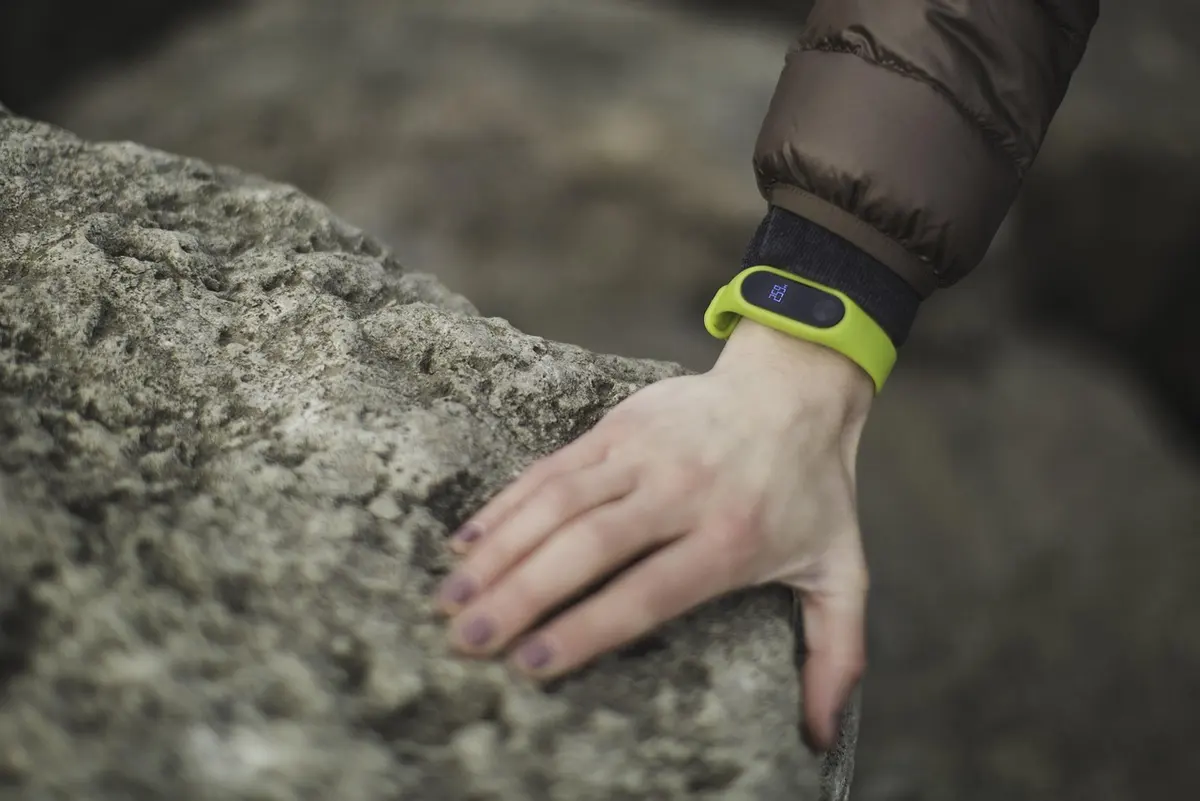
Health Tracking Has Changed a Lot
A few years ago, these things mostly counted steps and maybe tracked your sleep badly. Now they’re doing ECGs, monitoring blood oxygen, detecting sleep apnea, and using AI to spot patterns you’d never notice yourself.
I’ve worn various trackers for the past few years and the improvements have been pretty remarkable. Here’s what I’ve learned about what’s actually worth buying in 2026.
Top 6 Health Trackers
1. Apple Watch Ultra 3 — The Complete Package
If you’re already in the Apple ecosystem, this is hard to beat. The health sensors are basically medical-grade at this point, and the integration with the iPhone health app makes tracking effortless.
ECG, blood oxygen monitoring, sleep apnea detection, temperature sensing. The 36-hour battery life means you can actually wear it overnight for sleep tracking without charging anxiety.
What impressed me:
- Health monitoring that doctors actually take seriously
- Emergency SOS features give peace of mind
- Always-on display
- Seamless integration if you already have an iPhone
What to consider:
- It’s expensive. Really expensive.
- You need an iPhone to get the full experience
- Might be overkill if you just want basic tracking
Best for iPhone users who want comprehensive health data.
2. Fitbit Sense 4 — The Wellness Specialist
Fitbit has always been more focused on wellness metrics than pure fitness, and the Sense 4 leans into that. The stress management features and sleep tracking are genuinely useful.
The 7-day battery life means you can forget about charging for most of the week. And it works equally well with Android or iOS.
What stands out:
- Sleep tracking is probably the best in the category
- Stress management tools that actually help
- Skin temperature monitoring
- Much more affordable than Apple Watch
Where it falls short:
- Not as snappy as Apple Watch
- The app ecosystem is more limited
- Interface can feel clunky sometimes
Best for people who care most about sleep and stress tracking.
3. Garmin Forerunner 265S — Built for Athletes
If you’re serious about training, Garmin speaks your language. HRV tracking, training load analysis, recovery metrics, and GPS accuracy that’s been refined over years of making running watches.
The battery life is absurd. 20+ days of normal use means you basically forget it needs charging.
What athletes will love:
- Training metrics that serious runners actually use
- HRV monitoring for recovery insights
- Rock-solid GPS tracking
- Sport-specific features for dozens of activities
Not for everyone:
- The interface takes time to learn
- More focused on fitness than general health
- Can be overwhelming if you just want the basics
Best for dedicated athletes and fitness enthusiasts.
4. Samsung Galaxy Watch 7 — For Android Users
Samsung’s answer to the Apple Watch, and it’s gotten quite good. The BioActive sensor does body composition analysis, which is a neat party trick even if the accuracy isn’t perfect.
Works best with Samsung phones, but still functional with other Android devices.
Strong points:
- Comprehensive health tracking
- Body composition analysis is unique
- 40-hour battery life
- Good-looking design options
Weaker points:
- Best features are locked to Samsung phones
- Health app isn’t as polished as Apple or Google Fit
- Third-party app support is limited
Best for Samsung phone owners wanting an integrated experience.
5. Oura Ring 4 — The Subtle Option
If you hate wearing watches, this is interesting. All the sensors packed into a ring that looks like, well, a ring. Nobody knows you’re tracking unless you tell them.
Sleep tracking is excellent, and the readiness scores have helped me understand when to push and when to rest.
What makes it unique:
- Completely invisible as a health device
- Excellent sleep and recovery tracking
- 7-day battery life
- Comfortable enough to wear 24/7
The trade-offs:
- No display means you need your phone for everything
- Activity tracking is limited compared to wrist devices
- Sizing can be tricky (order their sizing kit first)
- Pricey for what it does
Best for people who want health tracking without a visible device.
6. Xiaomi Mi Band 8 Pro — The Budget Champion
You don’t have to spend hundreds of dollars for decent health tracking. The Mi Band does heart rate, sleep, SpO2, and basic fitness tracking for a fraction of the price.
14-day battery life and it works with both Android and iOS.
Why it’s worth considering:
- Outstanding value
- Genuinely useful basic tracking
- Lightweight and comfortable
- Battery life is excellent
What you’re giving up:
- Build quality is basic
- Advanced features aren’t there
- Health insights are pretty surface-level
- No built-in GPS
Best for people who want basic tracking without major investment.
Quick Comparison
| Tracker | Battery Life | Key Features | Best For | Price |
|---|---|---|---|---|
| Apple Watch Ultra 3 | 36 hours | ECG, Blood Oxygen, Sleep Apnea | iPhone users | Premium |
| Fitbit Sense 4 | 7 days | Sleep, Stress, Temperature | Wellness focus | High |
| Garmin Forerunner 265S | 20+ days | Athletic metrics, Training | Athletes | High |
| Samsung Galaxy Watch 7 | 40 hours | BIA, Health monitoring | Android users | High |
| Oura Ring 4 | 7 days | Sleep, Readiness | Discrete tracking | Premium |
| Xiaomi Mi Band 8 Pro | 14 days | Basic tracking | Budget buyers | Low |
Health Features That Actually Matter
Medical-Grade Sensors
- ECG: Monitors heart rhythm for irregularities
- Blood Oxygen (SpO2): Oxygen saturation levels
- Temperature: Skin temperature variations can indicate illness
- BIA: Body composition analysis (accuracy varies)
- HRV: Heart rate variability for stress and recovery
Sleep Analysis
Modern sleep tracking has gotten legitimately useful:
- Sleep stages: REM, Deep, Light sleep
- Sleep scores and quality metrics
- Night-to-night pattern recognition
- Recovery insights
Activity Tracking
- Auto-detection recognizes activities without manual input
- 100+ specific workout modes on most devices
- GPS accuracy for outdoor activities
- Calorie tracking (take with a grain of salt)
A Note on Privacy
Health data is personal. Before buying, consider:
- Data encryption: Is your health data protected?
- Local vs cloud processing: Where is your data analyzed?
- Sharing controls: Who can see your information?
- Data retention: How long is your information stored?
Most major brands have decent privacy controls now, but it’s worth reviewing the settings.
What’s Trending in 2026
- AI Health Insights: Personalized recommendations based on your patterns
- Early Detection: Devices catching health issues before symptoms appear
- Medical Integration: Easier sharing with healthcare providers
- Mental Health: More focus on stress, mood, and psychological wellness
- Better Sensors: Consumer devices approaching clinical accuracy
The Bottom Line
iPhone users: Apple Watch Ultra 3 offers the most comprehensive health monitoring available.
Wellness-focused: Fitbit Sense 4 excels at sleep and stress management.
Serious athletes: Garmin Forerunner 265S has the training metrics you actually need.
Android users: Samsung Galaxy Watch 7 is the most complete Android option.
Want something subtle: Oura Ring 4 tracks your health invisibly.
Watching your budget: Xiaomi Mi Band 8 Pro proves good tracking doesn’t require premium pricing.
Health trackers have genuinely become useful wellness tools. They’re not perfect, and they’re not replacements for actual medical care, but they can help you understand your body better.
Health data accuracy varies between devices and individuals. Always consult healthcare professionals for medical advice.