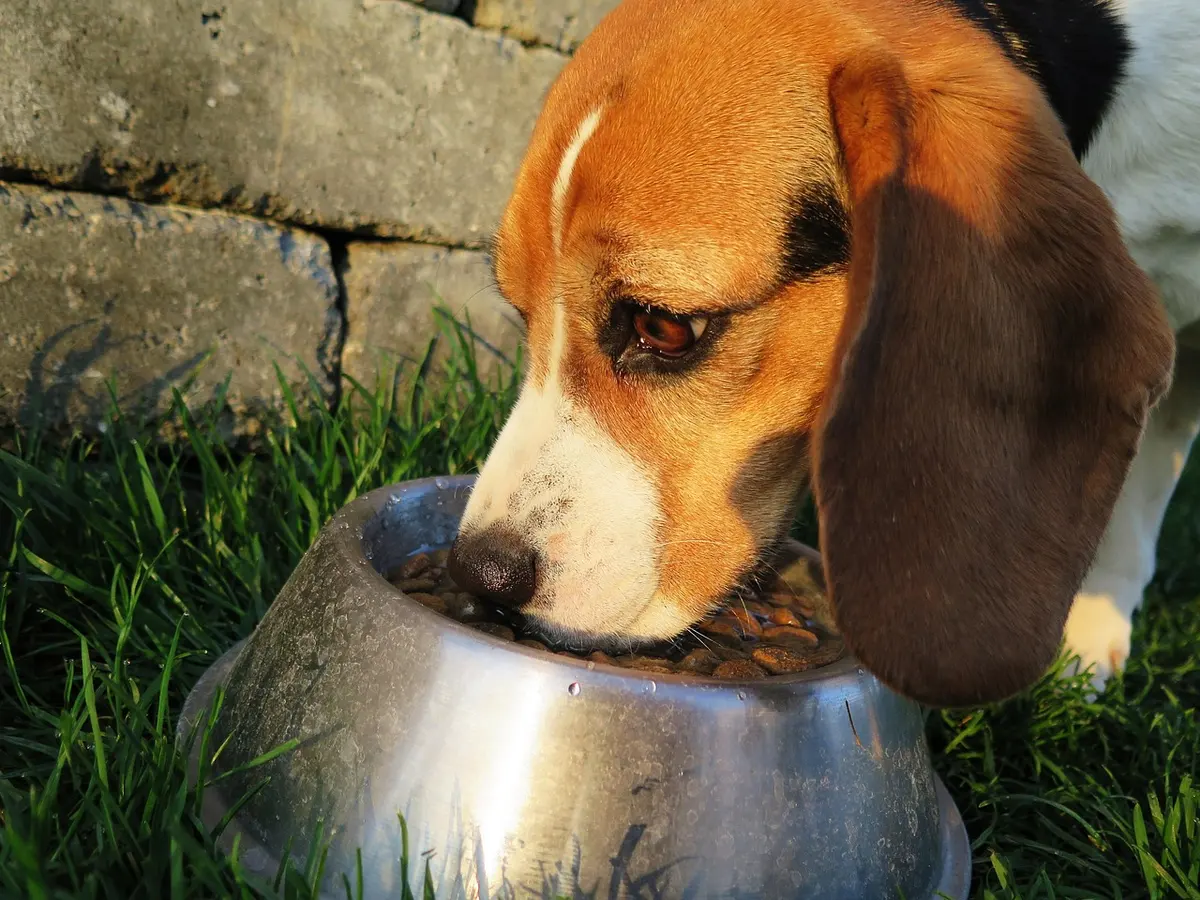
Finding the Right Food for Your Dog
I spent way too long standing in the pet food aisle last year, completely overwhelmed by the options. Grain-free? High protein? Breed-specific? The marketing on these bags makes everything sound like the best choice ever, which obviously can’t all be true.
After doing more research than I probably needed to (and consulting with my vet about my own dog’s digestive issues), I’ve put together what I actually learned about dog food. Hopefully this saves you some of the confusion I went through.
Our Top Picks
1. Orijen Original — Best Overall
This is the premium option. If money isn’t a major concern and you want to feed your dog the highest quality kibble available, this is probably it.
What sets it apart:
- 85% quality animal ingredients
- Combination of fresh, raw, and dehydrated meats
- No grains, potatoes, or tapioca
- Made in award-winning facilities
Orijen follows what they call a “whole prey” approach, which means the food includes meat, organs, and bone in ratios that roughly mimic what dogs would eat in the wild. Whether that matters to your dog is debatable, but the ingredient quality is undeniably high.
The downside is pretty obvious: it’s expensive. Like, noticeably more expensive than most other options. For some budgets that’s fine, for others it’s a dealbreaker. No shame either way.
2. Purina Pro Plan — Best Value Premium
This is what my vet actually recommended when I asked what she feeds her own dogs. It surprised me a little since it’s not a boutique brand, but she pointed out that Purina has actual research facilities and veterinary nutritionists on staff.
What makes it solid:
- Real meat as the first ingredient
- Live probiotics for digestion
- Tons of formula options
- Science-backed formulations
The probiotics have made a noticeable difference for my dog who had a sensitive stomach. The variety of formulas means you can find something specific to your dog’s needs without paying premium prices.
It does contain grains, which some people avoid. But unless your vet has diagnosed a specific grain sensitivity, grains aren’t actually bad for most dogs despite what some marketing suggests.
3. Royal Canin Breed Health — Best Breed-Specific
If you have a purebred with known health tendencies, Royal Canin makes formulas targeted to specific breeds. My neighbor feeds this to her French Bulldog and swears by it.
The approach:
- Formulas tailored to specific breeds
- Kibble shapes designed for different jaw types
- Targeted nutrition for breed-specific issues
- Developed with veterinary input
The breed-specific kibble shapes are interesting. The French Bulldog formula, for example, has a shape that’s easier for flat-faced dogs to pick up. Whether that’s marketing or genuinely helpful probably depends on the dog.
It’s pricier than generic options, and I’m honestly not 100% sure how much the breed-specific approach matters versus just feeding good quality food. But plenty of breed enthusiasts swear by it.
4. Taste of the Wild — Best Grain-Free
For dogs that actually do have grain sensitivities (diagnosed by a vet, not just assumed), this offers quality grain-free nutrition without the extreme price tag.
What it offers:
- Novel proteins like bison and venison
- Grain-free recipes
- Added probiotics
- Made in the USA
The variety of protein sources is useful for dogs with chicken or beef sensitivities. The price point is reasonable for the quality level, which makes it accessible for more people.
A word of caution: the FDA has been investigating a potential link between grain-free diets and heart disease in dogs. The research is ongoing and not conclusive, but it’s worth discussing with your vet before going grain-free unless there’s a specific medical reason.
5. Hill’s Science Diet — Best for Health Needs
When your dog has a specific health condition, Hill’s is often what vets recommend. They make therapeutic diets for kidney issues, digestive problems, weight management, and more.
The strength:
- Clinically proven formulas
- Life stage specific options
- Therapeutic diet choices
- Veterinary developed
This is the brand that makes prescription diets, so they have serious research behind their formulations. The regular (non-prescription) line is also solid.
The caveat is that for specific health conditions, you really should be working with your vet anyway. They can recommend the right formula for your dog’s particular situation.
Quick Comparison
| Brand | Protein % | Key Feature | Best For | Price |
|---|---|---|---|---|
| Orijen | 38% | Highest meat | Premium nutrition | [Check Price] |
| Pro Plan | 30% | Vet trusted | Value seekers | [Check Price] |
| Royal Canin | 26% | Breed specific | Specific breeds | [Check Price] |
| Taste of Wild | 32% | Grain-free | Sensitivities | [Check Price] |
| Hill’s | 25% | Health focused | Medical needs | [Check Price] |
Reading Dog Food Labels
Ingredient Order Matters
- First 5 ingredients make up most of the food
- Named meat (chicken) is generally better than meat meal
- “By-products” as the first ingredient is a red flag
- Whole foods early in the list is a good sign
Nutrients by Life Stage
| Life Stage | Protein | Fat | Special Needs |
|---|---|---|---|
| Puppy | 28%+ | 17%+ | DHA for brain development |
| Adult | 25%+ | 15%+ | Balanced maintenance |
| Senior | 25%+ | 10-14% | Joint support |
| Active | 30%+ | 20%+ | Higher calories |
Things to Avoid
- Artificial colors (your dog doesn’t care what color their food is)
- BHA/BHT preservatives
- Excessive corn or wheat fillers
- Unnamed “meat” sources
- Added sugars
Feeding Guidelines
How Much to Feed
| Dog Size | Cups/Day (Adult) |
|---|---|
| Toy (up to 10 lbs) | 1/4 - 3/4 cup |
| Small (10-25 lbs) | 3/4 - 1 1/2 cups |
| Medium (25-50 lbs) | 1 1/2 - 2 1/2 cups |
| Large (50-75 lbs) | 2 1/2 - 3 1/2 cups |
| Giant (75+ lbs) | 3 1/2 - 5+ cups |
These are starting points. Adjust based on your dog’s activity level and whether they’re gaining or losing weight.
Switching Foods Safely
Changing foods too fast causes digestive upset. Go slow:
- Day 1-2: 75% old food, 25% new food
- Day 3-4: 50% old, 50% new
- Day 5-6: 25% old, 75% new
- Day 7+: 100% new food
My Take
For most dogs, Purina Pro Plan hits the sweet spot between quality and affordability. It’s what vets feed their own dogs, which says something.
If you want the absolute best and can afford it, Orijen Original is hard to beat on ingredient quality.
But honestly? Most healthy dogs do fine on any of these options. The best food is one your dog eats happily, digests well, and that you can afford consistently. A $60 bag of food isn’t helping your dog if you can’t afford to keep buying it.
Prices vary by retailer and change frequently. Check current pricing before purchasing.